Why the Mazda FD RX-7 Is Considered One of the Best-Handling Cars Ever Built
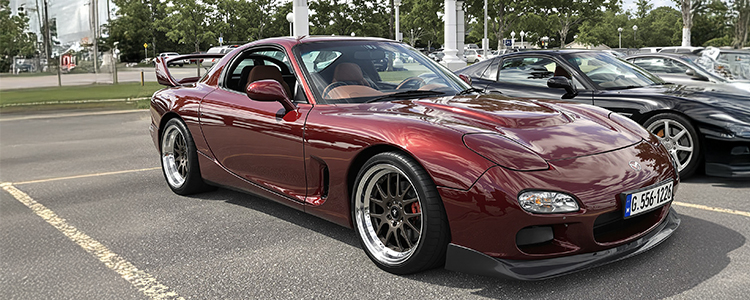
I remember the first time I saw a Mazda RX-7 FD. It was bright red, with pop-up headlights that seemed to wink at me. I felt my heart race a little. I think cars can tell stories, and the RX-7 had a lot to say. It’s not just about looks, though. The RX-7 FD is famous for being one of the best-handling cars ever built. Let’s explore why this car is so special, what makes it tick, and why car lovers can’t get enough of it.
Key Takeaway
-
The RX-7 FD has a unique rotary engine that gives it smooth power. (1)
-
Its lightweight build and special design help it handle corners like a pro. (2)
-
The RX-7 is not just a car, it’s an icon in car culture.
Exceptional Chassis Design
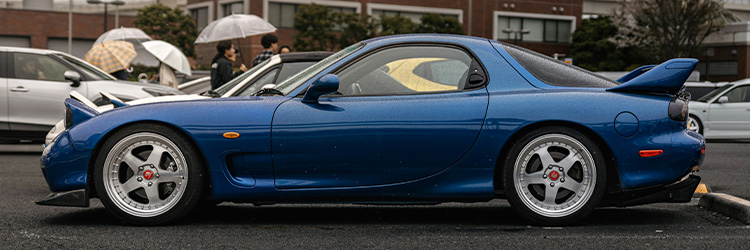
The Mazda RX-7 FD stands out because of its smart design. It has a front-midship layout, which means the engine is placed behind the front wheels. This clever arrangement helps balance the car (50:50 weight distribution). (3) When I drove one, I felt how easy it was to turn. The low center of gravity makes the car feel glued to the road. You can hardly feel the bumps.
The RX-7 also has advanced suspension. (4) It uses double wishbone suspension in the front and a multi-link setup in the rear. Thanks to this, it takes corners like a champ. I can still remember the thrill of taking a turn at full speed. The steering was so precise—it felt like I was dancing with the road.
Lightweight Construction
Mazda knew that weight matters. The RX-7 FD weighs about 2,800 pounds (or around 1,260 kg). That’s pretty light for a sports car. They used aluminum for the suspension arms and lightweight wheels that weigh just 13.5 pounds each. This keeps the car nimble and quick.
Even some special versions, like the RX-7 SP, use carbon fiber parts. That makes the car even lighter and faster. I sometimes wonder how they packed so much performance into such a small package. It’s like a feather that can fly fast.
Rotary Engine Advantages
At the heart of the RX-7 FD is the 13B-REW engine, a twin-rotor Wankel engine. This engine is different from typical ones because it’s compact and light. I think the sound it makes is music to a car lover’s ears. With sequential twin turbochargers, it gives smooth power without the annoying turbo lag. That means you get power when you want it, and that makes driving fun.
I remember a time when I took my friend for a ride. We were at a stoplight, and I revved the engine. When the light turned green, I pressed the gas, and we shot forward. The acceleration felt like a rollercoaster, and it was all thanks to that brilliant rotary engine.
Innovative Bracing and Rigidity
Mazda didn’t stop at just making it light, they also made it strong. They use something called Power Plant Frame technology. It connects the engine and other parts with cross-bracing. This helps the car stay rigid, especially during hard acceleration. I felt this when I pushed the car to its limits. It was like the RX-7 was saying, “I can handle this.”
Track-Proven Performance
The RX-7 FD isn’t just pretty, it’s tough, too. It has a rich history in motorsports. This car excels in endurance racing, touring cars, and even drifting. I’ve watched videos of professional drivers racing these beauties, and it’s amazing how well they handle the track. Special editions, like the RX-7 SP, were made specifically for racing. They have upgraded parts that only make the car faster and better.
Cultural Impact
Beyond its engineering marvel, the RX-7 has made a huge splash in car culture. Its sleek design and those pop-up headlights have become iconic. I can’t help but smile when I see one in movies or video games. One of my favorite memories is watching “The Fast and the Furious: Tokyo Drift,” where a Mazda RX-7 took center stage.
It’s a favorite among JDM enthusiasts, and it has inspired a whole generation of car lovers. It’s more than just a car, it’s a piece of art and a symbol of freedom.
More Fun Features
There are so many little things that make the RX-7 FD special. For instance, it has Z-rated tires for better grip. This helps you take sharp turns without spinning out. It also has a smooth gearshift operation, which is great when you want to feel in control.
And let’s not forget about the comfortable leather seats. They’re perfect for long drives. I can remember cruising with friends, listening to music on the Bose sound system, and feeling the wind in my hair. It’s a car that invites you to go on adventures.
Why It’s Still Popular
As time goes on, the RX-7 FD’s value is going up in used car markets. Many car enthusiasts are on the lookout for these gems. They appreciate the unique rotary engine and the lightweight chassis. It’s special because it combines performance with a fun driving experience.
If you’re thinking about getting one or just want to appreciate it, remember these key points. The RX-7 is not just any car. It’s a legend, a story, and a thrill on wheels.
FAQs
How did the Mazda RX-7 FD become known as a best-handling car with its front-midship layout and 50:50 weight distribution? The Mazda RX-7 FD earned its reputation as a best-handling car thanks to perfect balance. Its front-midship layout puts the rotary engine behind the front axle but ahead of the cabin, creating an ideal 50:50 weight distribution. Combined with its low center of gravity and feathery curb weight of around 2,800 lbs, the car felt incredibly agile on the road. This balance gave drivers predictable steering response and balanced handling dynamics that few other sports cars could match.
What makes the twin-rotor Wankel engine and 13B-REW engine with sequential twin turbochargers so special in the RX-7? The twin-rotor Wankel engine in the RX-7 FD was truly unique. The 13B-REW engine used sequential twin turbochargers for smooth turbo transition and linear acceleration curve. This setup delivered torque at low RPMs while allowing high RPM capability up to 8,000 rpm. With a compression ratio of 9:0:1 and an intercooler for intake charge cooling, the engine provided power that came on smoothly rather than all at once. This made the car’s performance easy to control even for less experienced drivers.
How do the double wishbone suspension and multi-link rear suspension contribute to the RX-7’s handling? The RX-7’s sophisticated suspension used a double wishbone system up front and multi-link rear suspension in back. These systems worked with aluminum suspension arms and variable slide rubber bushings to keep the tires firmly planted. The design reduced unsprung mass, making the car more responsive to driver inputs. Engineers fine-tuned the suspension to allow just enough body roll for feedback control, giving drivers a clear sense of what the car was doing at all times.
What role does the rear-wheel drive (RWD) system with Power Plant Frame technology and limited-slip differential play in the FD’s performance? The rear-wheel drive (RWD) system gave the RX-7 FD classic sports car handling. The Power Plant Frame technology – a special brace connecting the transmission to the differential – reduced flex and improved directional stability at high speeds. The limited-slip differential (LSD) helped both wheels grip during cornering, enhancing skidpad performance. This combination made the car predictable and controllable, even when pushed to its limits on the race track.
How did the ventilated disc brakes and ABS braking system enhance the RX-7’s stopping power? The FD’s ventilated disc brakes provided strong stopping power without fading, even during hard driving. The ABS braking system prevented lockups on slippery surfaces, maintaining control during emergency stops. In the SP edition, larger brake rotors and calipers improved braking performance even further. The pedal placement optimization meant drivers could easily transition between brake and throttle, contributing to the car’s reputation for smooth, predictable behavior on the road and track.
What makes the aerodynamic design with pop-up headlights and race-proven rear wing design so effective on the RX-7? The RX-7’s sleek aerodynamic design with pop-up headlights reduced drag while maintaining an iconic look. Models like the R1 and R2 included an aerodynamics package that improved stability. The race-proven rear wing design, especially on special models like the Bathurst RX-7 SP edition, created downforce at speed without excessive drag. This balance of style and function helped give the car high-speed stability while cementing its status as an iconic JDM sports car with undeniable cultural significance in movies like The Fast and the Furious: Tokyo Drift.
How did the lightweight chassis with carbon fiber components contribute to the RX-7’s racing success? The lightweight chassis was central to the RX-7’s endurance racing success and touring car championships. Racing versions often added carbon fiber components to further reduce weight. These race-inspired modifications improved drift capabilities and overall race track performance. The RX-7’s rally racing history also benefited from this lightweight approach. With high-performance road car characteristics, the FD could be transformed into a competitive racer with relatively few changes, which helped establish its reputation as a true driver’s car with impressive racing heritage.
Why has the RX-7 FD maintained its reputation and increasing value in used car markets compared to rivals like the Porsche 968CSRS? The RX-7 FD’s increasing value in used car markets reflects its unique combination of performance, rarity, and cultural impact. Special versions like the RX-7 Spirit R Type A Series III edition are particularly sought after. Its video game popularity and status as a high-performance road car with grand touring capabilities have kept demand high. Famous examples like Initial D Takahashi Keisuke’s RX-7 FD3S replica specs have influenced collectors. While it shared the road with competitors like the Porsche 968CSRS (especially against the Bathurst SP model), the Mazda’s Mazda engineering innovation and unique rotary character have given it lasting appeal.
Conclusion
The Mazda RX-7 FD is loved for many reasons. Its combination of innovative design, lightweight structure, and amazing handling makes it one of the best-handling cars ever built. The stories it shares with its drivers and its cultural impact only add to its charm. So, if you ever get a chance to ride in one, don’t miss it. You might just find yourself in love, just like I did.